

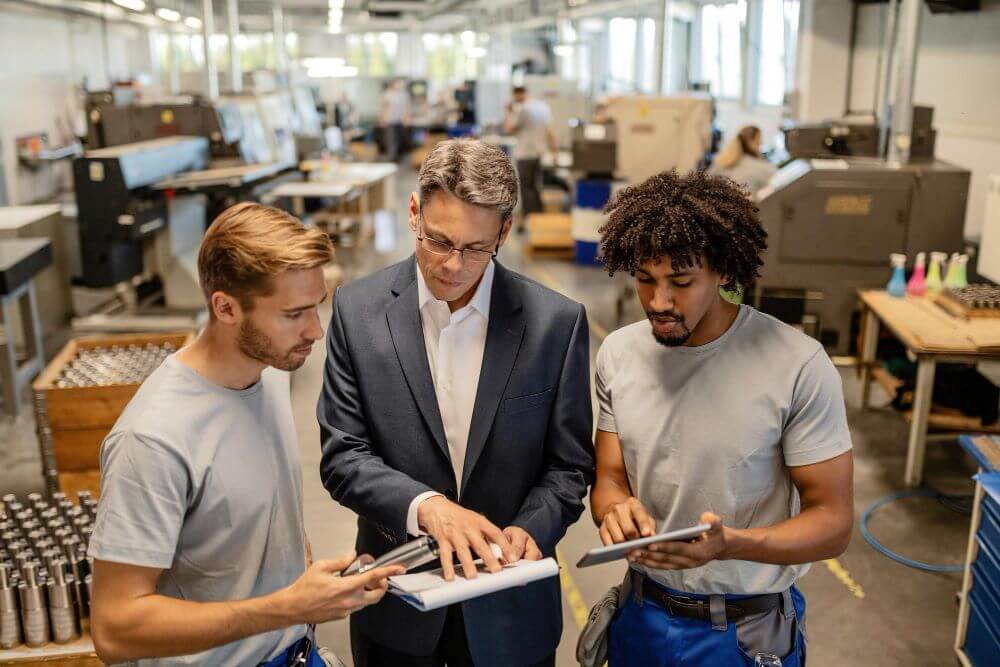
When we think about the manufacturing sector, the images that usually come to mind are heavy machinery, assembly lines, and stacks of raw materials. We think about the physical output. But any seasoned plant manager or business owner knows that the real engine of a successful factory isn’t just the hardware. I’ve spent enough time around production floors to know that a shiny new machine is useless if nobody knows what they’re supposed to be cutting.
It’s the flow of information.
Communication is the invisible thread that holds a production schedule together. When that thread snaps, you feel the results in every department, from the loading dock all the way to the front office. Have you ever noticed how a single missed message can stall an entire shift? It’s that feeling of everything grinding to a halt because of one tiny oversight.
The Evolution of the Industrial Workspace
The industrial world has changed significantly over the last decade. We’ve moved away from localized, siloed operations toward a model that’s much more globalized and interconnected.
Today, a single product might involve components from three different continents and a design team located in a completely different time zone.
And that puts immense pressure on how we actually talk to one another.
In the old days, a physical landline and a clipboard were usually enough. You could walk down to the floor, through the smell of machine oil and the steady rhythm of the presses, and settle a dispute or clarify a spec. But as companies scale, that physical proximity disappears. You might be managing a facility from a home office, or you could be coordinating with a logistics partner while you’re out on the road. The traditional tools can’t keep up with that level of mobility and complexity. I guess that’s the price we pay for growing bigger, you know?
Overcoming the “Communication Gap”
One of the biggest hurdles to scaling a manufacturing business is the gap between the production floor and the client-facing side of the business. When a customer calls with a question about an order, they expect an immediate answer.
If that information is stored in a physical logbook on a desk three miles away, the customer experience will suffer.
Modernizing this process involves more than just buying new radios or installing faster internet. It requires a rethink of how we handle incoming and outgoing data. Adopting a virtual phone number for manufacturing companies has proven to be a complete transformation for many expanding businesses. This technology enables seamless call routing. It ensures that a manager, whether on the factory floor or at a trade show, remains reachable. So, why settle for a system that tethers you to a desk? And that’s the point. It’s about being where you need to be without losing touch.
Why Scalability Depends on Flexibility
Scalability is a word that gets tossed around a lot in business circles. In manufacturing, it means the ability to handle more work without a proportional increase in chaos. To achieve this, your systems have to be flexible.
Consider the challenge of seasonal peaks. If you have a rigid, physical infrastructure, adding new lines or temporary staff can be a logistical nightmare. Digital communication tools let you set up new points of contact instantly. You can route calls to specific departments based on the time of day or the urgency of the issue. It could be about having a safety net for when things get busy. This flexibility prevents the bottlenecks that often kill growth before it really takes root.
The Human Element of Technical Change
Whenever we talk about “streamlining” or “digital transformation,” there’s an understandable fear among the workforce. People worry that new technology is just a precursor to being replaced. I’ve heard those whispers in the breakroom myself.
But in the context of communication, the goal is actually the opposite.
It’s about empowering the people you already have. By removing the friction of poor communication, you allow your team to do what they do best. A supervisor should focus on quality control and safety, not hunt down a specific person to relay a message. When tools are intuitive and reliable, stress on the floor drops. A calmer environment is more productive. It’s also a safer one.
Building a Foundation for Future Growth
The manufacturing world isn’t going back to the way things were in the 1990s. The future belongs to the companies that can marry high-quality physical production with high-speed digital coordination. This means looking at every touchpoint in the business and asking whether it actually serves the team’s current needs.
Is your current phone system holding you back? Are your managers tied to their desks when they should be out inspecting the line? These are the questions that define the difference between a company that’s surviving and one that’s truly thriving. Investing in the right infrastructure today, even if it feels like a small change, is the only way to ensure you’re ready for the demands of tomorrow.
Conclusion
At the end of the day, manufacturing is still about making things. It’s about the pride of a finished product and the satisfaction of a job well done. But to get to that finish line, the journey needs to be clear. By prioritizing modern communication and embracing tools that offer flexibility and reach, manufacturing companies can move beyond the limitations of the past. They can build a business that’s not just bigger, but smarter and more resilient. We’re all just trying to keep the wheels turning, right?
