

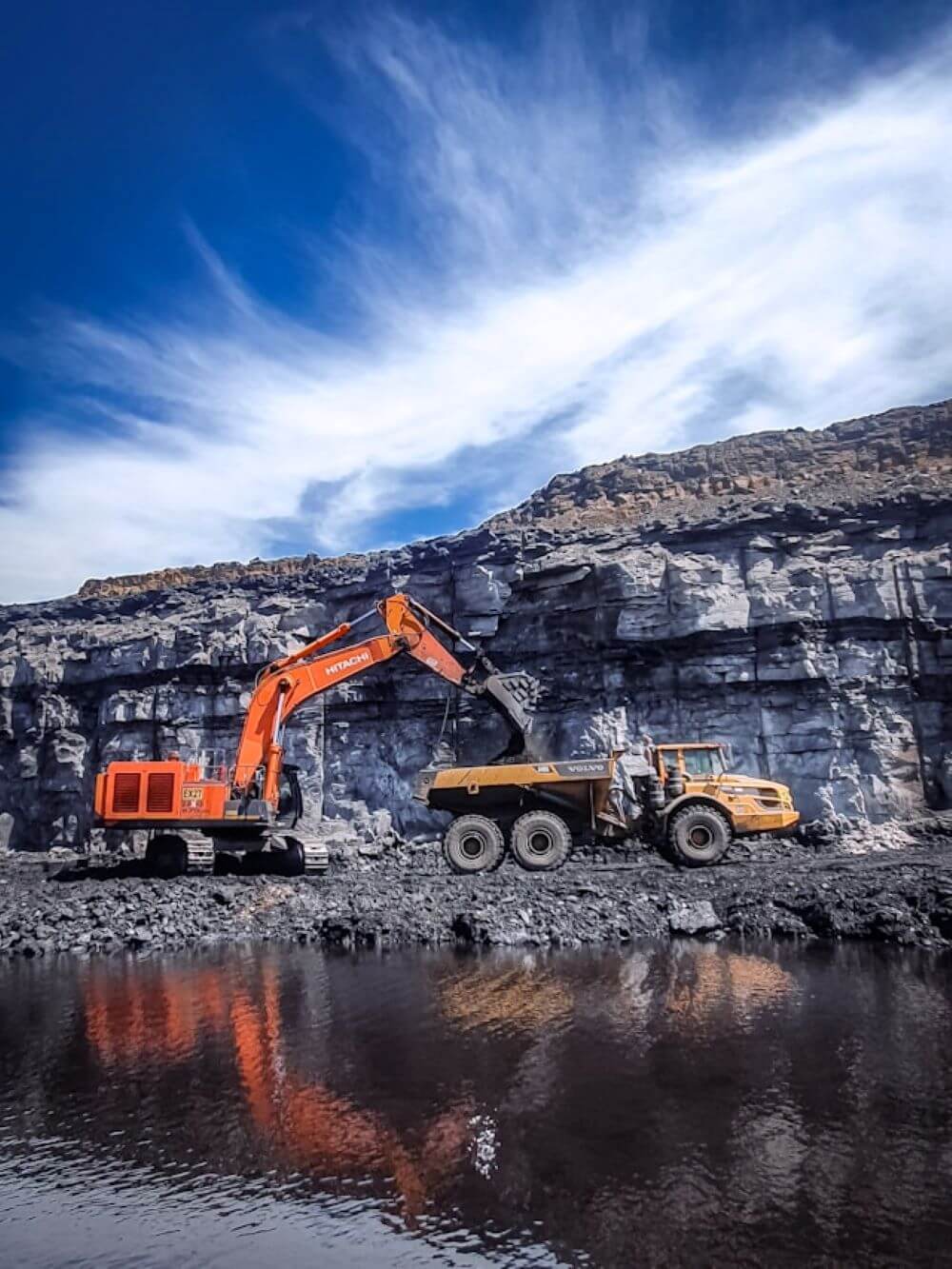
Mining today certainly isn’t for the faint-hearted. With ore bodies getting trickier and global supply chain headaches dragging on, there’s pressure like never before to keep output high while living up to environmental, social, and governance responsibilities. Meanwhile, the make-up of the workforce is changing rapidly, forcing mines to rethink how they operate and plan for the future.
These pressures mean mining companies can’t just stick with the old ways. They need fresh engineering solutions to boost both performance and safety. Suppliers are now seen less as simple product providers and more as critical partners, expected to bring in serious engineering know-how, digital smarts, and genuinely sustainable practices.
This partnership mindset can help stretch tight budgets further, create safer working practices, and build more reliable operations, all by using combined expertise and a commitment to ongoing improvements. As the sector shifts, bringing in advanced tech and embedding sustainable practices isn’t just a nice-to-have; it’s central to running a safe and efficient mine in an industry that never stands still.
Technological Innovations in Mining
Drones are changing how mines are surveyed and monitored. Instead of trudging across vast or risky terrain, operators now use drones to capture clear site maps and inspections from above. This means fewer people are exposed to danger, and data gets collected much quicker.
Virtual reality has also made a big entrance, bringing in realistic training scenarios without the mud and danger. New starters can practise tricky tasks and get used to expensive kit inside a virtual mine rather than a real one. This not only saves on travel and accommodation, but it lets people make mistakes safely and learn faster before stepping anywhere near a mine site.
As for 3D printing, it’s saving the day when equipment fails. Spare parts can be printed right at the mine, which means no waiting for deliveries from overseas or hunting for rare replacements. Everything needed can be kept as a digital file until it is needed, slashing both storage costs and downtime. More mines are picking up on this, hoping that quick fixes and smoother operations become the standard rather than the exception.
Advanced Engineering Solutions
Integrated Solutions and Materials Expertise
Mines today need much more than boxes of spares and a product catalogue. The top suppliers now roll up their sleeves and pitch in as partners, bringing engineering support, digital know-how, and a keen eye for sustainability – all tied in with materials expertise, safety equipment, operator training, and ongoing performance monitoring. Offering truly innovative engineering solutions for mining operations, these partners are transforming how sites approach productivity and safety.
This joined-up approach matters, especially as mines see their margins squeezed, production targets raised, and the pressure grow to run safer, more reliable operations. By connecting the dots between technology, data, and people, suppliers can help tackle stubborn problems at their source, rather than just dealing with the symptoms. Innovations like on-site support, digital analysis, and KPIs shared between supplier and mine mean everyone’s focused on long-term payback, not just quick wins.
Materials matter, too. Equipment faces relentless punishment from abrasion, impact, and heat, so every mining site needs gear built to last and built for its specific conditions. This means bringing advanced alloys and clever design tweaks to the table, using tools such as 3D scanning and simulation to keep improving with each cycle. With the right mix of smart engineering and hard-wearing materials, suppliers can boost mine performance, cut downtime, and make each operation that bit more predictable and efficient.
Structural and Mechanical Engineering
Designing and testing structural systems keeps mining sites standing strong and, more importantly, safe. Every day, mining infrastructure faces heavy stress and tough weather while still needing to perform smoothly. Structural analysis means looking closely at every beam and support, figuring out exactly how they’ll handle real-life pressure. Spotting small issues early helps engineers fix them before they grow. This leads to structures that last longer and keep risks at a minimum.
Plant layout and 3D modelling play their part in planning as well. These tools turn big-picture ideas into clear layouts and virtual walk-throughs, giving everyone a look before a single foundation is poured. Exploring options in a digital space lets teams rethink workflows, rearrange equipment, and iron out awkward corners. It’s a chance to fix snags in advance and make daily running far simpler. Careful design on the digital front pays off by keeping costs under control, cutting down hazards, and making sure mine operations never miss a beat.
Digital Transformation in Mining
Digital tools and smart use of data are changing how modern mines operate. Today’s technology takes sites far beyond the old ‘wait and see’ approach, letting teams move from putting out fires to planning ahead with confidence.
Take 3D wear scanning: this bit of kit gives an up-close look at how equipment is holding up. By spotting signs of wear early, mines can fix problems before machines grind to a halt. Scheduling maintenance gets simpler, downtime drops, and those unexpected breakdowns? Much less of a headache.
Simulation tools like DEM modelling mean design tweaks can be put to the test in a virtual setting. Before fitting a single part, you know what’s likely to work and what needs adjusting. This saves both time and resources, while cutting the risk of nasty surprises further down the track.
Predictive analytics now help mines pin down the best time for repairs and part replacements. No more relying on guesswork or sticking to old routines just ‘because that’s how it’s done’. By keeping a close eye on wear and performance, sites can reduce needless tinkering, keep people away from dangerous tasks, and stretch the life of costly components at the same time.
Meanwhile, performance dashboards bring all the essential stats together in one place. Instead of sifting through reams of reports, mine operators get instant clarity and can tweak schedules based on facts, not hunches. The end result? Faster decisions, safer practice, and less waste – all thanks to a digital boost.
By making digital tools a core part of daily mine life, companies are building sites that are sharper, safer, and ready to handle the next wave of challenges facing the sector.
Sustainability and Environmental Responsibility
Fresh thinking in sustainable engineering has become essential for mining companies aiming to meet their environmental, social, and governance (ESG) goals. As environmental standards climb higher, suppliers are stepping up with longer-lasting wear components, which help cut down on material waste, reduce how often kits need fixing, and limit exposure to environmental harm.
Cutting down emissions and using resources smarter are now big priorities for the sector. Take the comminution phase of mining, for example: it uses a huge amount of energy, but ongoing improvements in design and materials have helped drive energy use down. ME Elecmetal, for instance, has set out an ambitious goal for full circularity by 2050, showing real commitment to lower emissions and better energy habits through advancements in their plants and practices.
Circularity means getting the most mileage out of materials by reusing and recovering where possible, so things aren’t just chucked on the scrap heap at the first sign of wear. These circular practices help mining companies shrink waste and conserve resources, which matches up with global ESG targets.
On top of that, mines are reaching for digital tools and smart analytics that make it easier to spot issues early and plan equipment care, rather than just reacting when things go wrong. This sort of thinking helps mines run smoother for longer, cut unnecessary waste, and keep their kit going strong—fitting right in with the principles of a circular economy. With increased scrutiny on their green credentials, the mines that take sustainability seriously are quickly setting themselves apart as industry leaders.
