

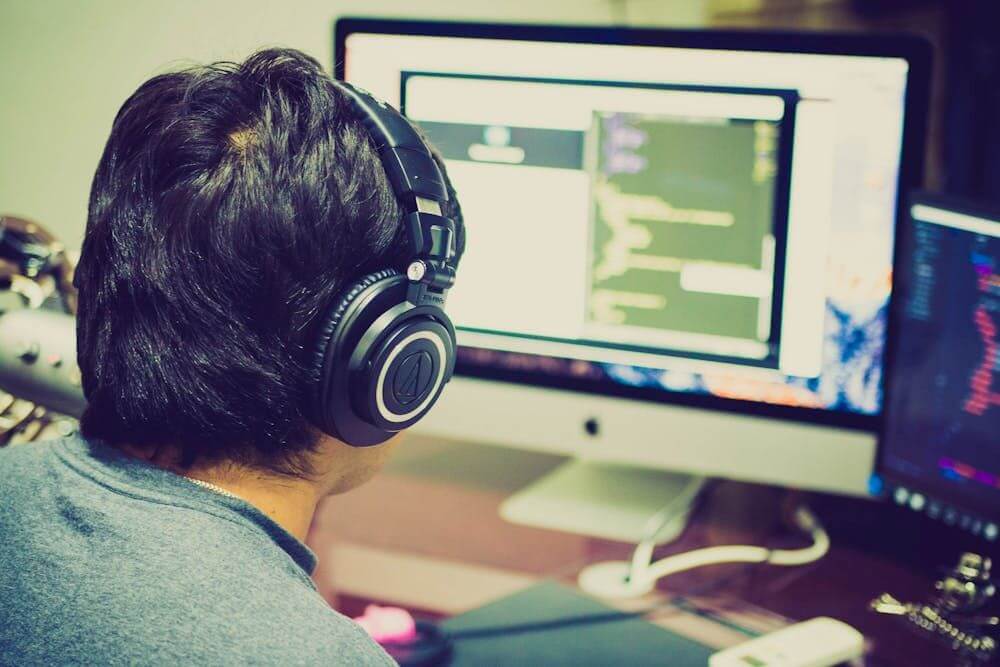
You walk into a modern software team’s workspace. Something feels different. The silence is gone. People are talking, laughing, clustering around screens. A developer types while others throw out ideas. Nobody sits alone in a dark corner.
This shift has a name. It represents a whole new philosophy. Let’s explore what is vibe coding and why it matters.
Beyond the Solo Myth
For decades, we worshipped the lone coder. The genius in a hoodie. The programmer who typed furiously through the night. That image is fading fast. Vibe coding throws that old story out the window.
It treats software development as a social activity. A shared experience. You do not build things in isolation anymore. You build them together, out loud, in real time. The energy shifts from individual brilliance to collective flow.
The Core Idea
So what is vibe coding exactly? Picture a small group huddled around one screen. One person drives the keyboard. The rest watch, think, and talk. The conversation flows freely. It might jump from a tricky algorithm to weekend plans. Nobody stresses about rigid roles.
The goal is collective energy. A shared rhythm. The vibe itself becomes the engine of productivity. Mistakes become lessons. Breakthroughs become celebrations.
Tools That Enable Connection
None of this works without the right gear. High-speed internet is the baseline. Screen-sharing tools act as virtual windows. Always-on video channels create persistent rooms. Team members pop in and out naturally. They share snippets in chat. They sketch on digital whiteboards. The technology fades into the background.
What remains is genuine human connection across desks or oceans. A developer in Berlin can vibe code with a teammate in Austin without missing a beat.
Fighting the Isolation Epidemic
Remote work changed everything. It gave us flexibility. It also gave us loneliness. Staring at Slack messages all day can feel hollow. Vibe coding fights this head-on. It brings back the watercooler moments.
Junior devs learn by watching. Senior devs explain their thinking out loud. Mistakes happen in the open. They become teaching moments instead of secret shames. The code improves. So does the team bond. People actually look forward to jumping on calls.
Problem-Solving on Another Level
Some problems refuse to budge for a single brain. A nasty bug hides for days. A system design feels impossible. This is where vibe coding shines. Multiple minds tackle the issue together. One person’s random thought sparks another’s breakthrough.
The combined focus finds answers faster. The struggle feels lighter. The win feels shared. You walk away with better code and a stronger connection to your teammates. The solution emerges from the conversation, not just the keyboard.
Not a One-Size-Fits-All Approach
Let’s be honest. Vibe coding is not magic. It does not fit every task. Some work demands deep, uninterrupted focus. Writing a novel algorithm requires silence. Building a complex data model needs solitude. The trick is intentionality.
Smart teams use vibe coding for specific moments. Onboarding new members. Debugging stubborn issues. Brainstorming new features. They know when to gather and when to disappear into focus mode. Boundaries keep the vibe healthy, not overwhelming.
Creating the Right Atmosphere
A good vibe does not happen by accident. It needs care. Psychological safety is essential. Team members must feel comfortable asking silly questions. They need space to throw out wild ideas. Leaders set the tone. They celebrate collaboration over heroics. They protect the team from constant interruptions.
Time gets carved out for this style of work. Force it, and it feels awkward. Nurture it, and it grows into something powerful. Trust becomes the foundation.
The Human Side of Code
Code is technical. But code is also human. It reflects how people think and communicate. Vibe coding honors this truth. It brings the humanity back into engineering. You learn how your colleagues approach problems. You pick up their little tricks. You build trust through shared struggle.
The final product carries that collective intelligence. It is not just functional. It has personality. Users can feel when a product was built by people who actually enjoyed working together.
What Comes Next
The trend keeps spreading. More teams are catching on. The old ways are loosening their grip. What is vibe coding today will likely be the standard tomorrow. Software development is becoming more social, more fluid, more human. The lonely coder stereotype is retiring.
A new image is taking its place. Groups of people, laughing and building together, finding solutions in the spaces between their voices. That is the vibe. And it is here to stay. The future of software looks a lot less lonely.
