

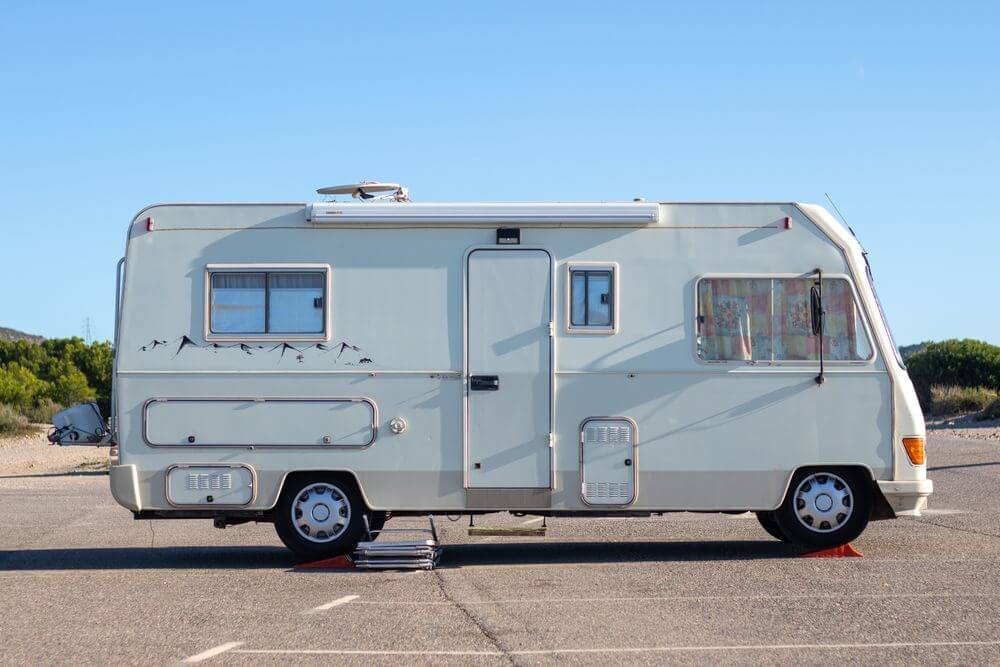
Every autumn, thousands of snowbirds prepare their motorhomes for extended storage in Fort Worth as they migrate south or travel abroad. The challenge: Texas winters are mild but unpredictable, with occasional cold snaps, dust, and humidity that can affect vehicles left unattended for months.
Motorhome owners must protect their investment not only from the elements but also from mechanical wear, pests, and electrical drain. For snowbirds, a well-executed storage and maintenance plan means returning to an RV that’s road-ready and free from costly surprises. The right approach combines careful preparation and selective use of local storage options tailored for Fort Worth’s unique climate.
Preparing Your Motorhome For Long Term Texas Storage
Before leaving your RV in storage, address the specific issues that can arise in a Texas environment—especially dust, moisture, and pest intrusion. Begin by deep cleaning the interior to remove food crumbs and residue that attract insects or rodents. Dust and vacuum all surfaces, and consider using moisture absorbers in closets and cabinets to limit humidity-related problems like mildew. For the exterior, wash and dry the motorhome, paying close attention to the roof and window seals. Applying a UV-protective wax can guard against sun damage during the winter months.
Many snowbirds add wheel covers to prevent tire cracking from sun exposure and inflate tires to the manufacturer’s recommended pressure. Seal all external vents and openings with mesh or foam to block pests, but ensure there’s still ventilation to avoid musty odors. Follow guidelines on RV pest prevention during storage for best practices, and check your storage agreement to confirm what modifications or covers are permitted on-site.
Once the RV is clean, shut off propane at the source and disconnect major appliances. These steps lower fire risk and prevent slow battery drain from phantom loads. Leave interior doors ajar for air circulation, and cover furniture to shield it from dust and UV exposure through windows.
Climate Controlled Facilities Versus Outdoor Parking Options
Snowbirds storing their RVs in Fort Worth must weigh the benefits of climate controlled indoor storage against the affordability and accessibility of outdoor lots. Climate controlled sites maintain a steady temperature and humidity, protecting interiors from the warping and mold growth that can occur during damp winter spells. Indoor spaces are especially helpful for high-end motorhomes with custom interiors or sensitive electronics.
Outdoor parking, on the other hand, is more budget-friendly and widely available. Many facilities offer security fencing and camera surveillance, but exposure to sun, wind, and precipitation can accelerate wear if the vehicle is not carefully prepped. Using a high-quality RV cover designed for Texas conditions can help safeguard against UV rays and bird droppings, though owners should periodically inspect for moisture buildup underneath.
When comparing indoor versus outdoor storage for RVs, consider not just price, but also insurance requirements and your ability to perform periodic check-ins. Some choose to reserve space at Storage Fort Worth to access secure parking and flexible contract terms, which can help tailor the experience to your travel schedule and storage needs.
Essential Fluid Checks And Battery Preservation Strategies
Neglected fluids and batteries are leading causes of post-storage breakdowns. Before storing your RV in Fort Worth, change the engine oil and oil filter to remove contaminants that could corrode engine parts. Top off coolant, brake, and windshield washer fluids, ensuring each system is protected against unexpected temperature drops. Adding fuel stabilizer to the gas tank prevents fuel separation and gumming during long periods of inactivity—run the engine for a short time afterward to circulate the additive through the system.
Batteries require special attention to avoid total discharge while in storage. Disconnect the chassis and house batteries or use a battery disconnect switch to eliminate slow drain from onboard electronics. Some owners opt for a trickle charger to maintain charge without overloading the battery, especially if the facility offers electrical hookups. Otherwise, store batteries in a cool, dry place and check them monthly if possible.
Monitor for leaks or signs of fluid evaporation during storage visits, and consult your RV’s manual for recommended fluid levels and battery care. Following these steps ensures reliable starts and fewer mechanical surprises when reclaiming your RV after months in storage.
Post Storage Inspection Checklists Before Your Return Trip
Before hitting the road again, follow a methodical inspection process to catch potential problems early. Start with a walkaround, looking for visible damage, signs of attempted entry, or evidence of animal activity around wheel wells and undercarriage. Remove covers and inspect seals on windows, doors, and roof vents for cracking or separation caused by temperature fluctuations.
Inside, air out the cabin and check for musty odors or visible moisture, which could signal leaks or inadequate ventilation during storage. Inspect plumbing fixtures and water lines for cracks or freeze damage, especially if a hard freeze occurred during your absence. Flush the water system thoroughly and sanitize tanks before use if the RV was winterized.
Reconnect batteries and perform a test of all major systems, including lights, HVAC, and appliances. Look for dashboard warning lights, and confirm that brakes, tires, and wipers are in acceptable condition for travel. Scheduling a professional inspection is a good option for those who prefer expert reassurance after an extended storage period.
Conclusion
Snowbirds can protect their motorhomes and enjoy worry-free transitions by investing time in seasonal maintenance and matching their storage choice to Fort Worth’s climate. Review your storage contract, stay proactive with pre- and post-storage checklists, and plan for periodic inspections to extend the life of your RV and simplify your return journey.
