

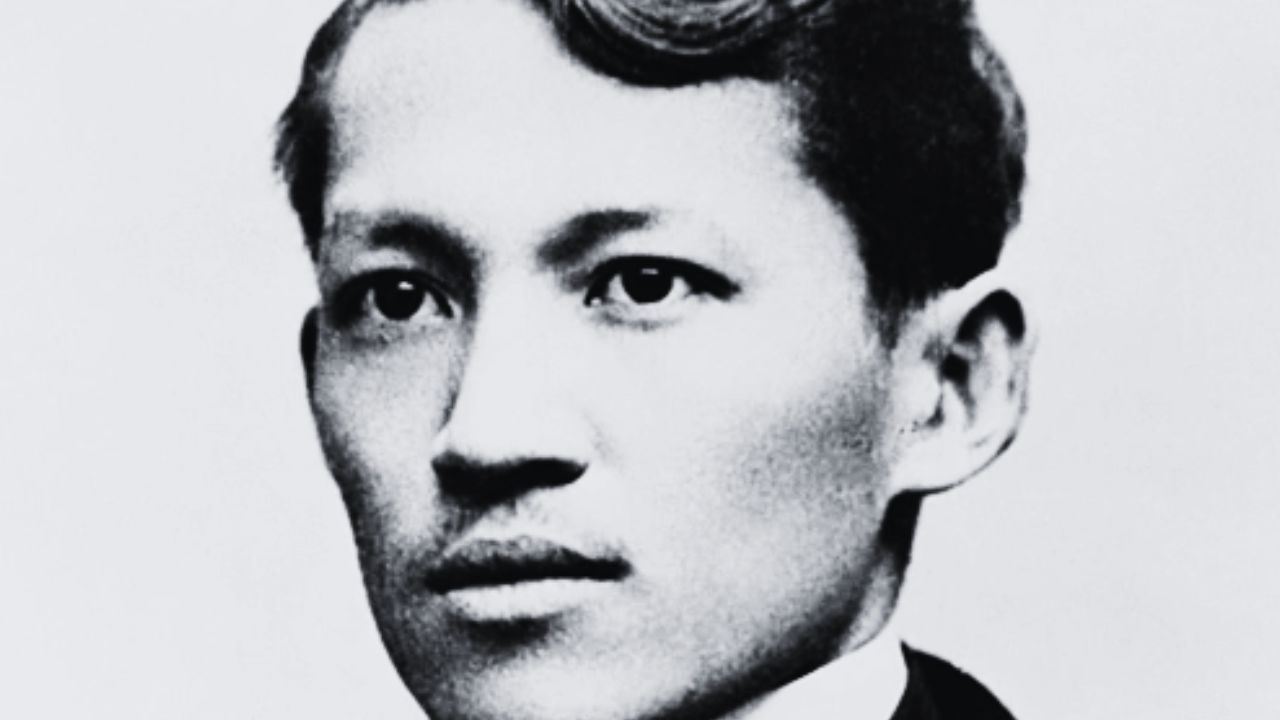
Concepción Mercado, affectionately known as “Concha” in her household, holds a unique place in the narrative surrounding José Rizal, the eminent Philippine national hero. Born on April 19, 1862, in Calamba, Laguna, she was the eighth child in the distinguished Mercado-Alonso family—a family that significantly influenced Rizal. While her life was woefully short, it played a crucial role in shaping Rizal’s development. Think of Concha as a pebble dropped into a pond, creating ripples that influenced her brother’s life and, consequently, the history of the Philippines. Understanding her story helps us appreciate the profound impact personal experiences have on historical figures.
The Mercado-Alonso Family Background
Now, let’s talk context. By understanding the Mercado-Alonso family, you uncover hidden influences on José Rizal. This family was not just any family; they were one of the most prominent in Calamba, Laguna. Their social and economic standing put them in a unique position to impact society. Picture them at the center of a web of relationships and events, influencing and being influenced by the sociopolitical atmosphere of their time. They were well-respected, and their opinions held weight in their community, just as a thought leader does in today’s business world.
Rizal’s parents, Francisco Mercado and Teodora Alonso, were community leaders, which often meant their lives were open to public scrutiny. Is it any wonder, then, that Rizal would grow up with a keen sense of social awareness and justice? Recognizing the influence of his family background on Rizal helps us appreciate the foundations upon which his future achievements were built.
Concepción Mercado’s Short Life
Concha Mercado’s time on earth was tragically brief—three short years filled with familial warmth and love. Born into a bustling household, she was the ninth star in a constellation of siblings, bringing her own light to the world. But this light was dimmed too soon. On August 16, 1865, an illness claimed her life, leaving her family in profound grief. Let’s be clear: this was not just a loss; it was a pivotal moment in the Mercado-Alonso household.
How does the early passing of a sibling resonate through a family? Picture a chair suddenly missing a leg—everyday activities are instantly more difficult. It’s a pain that haunts and shapes the family left behind. Concha’s untimely death deeply affected her brother José, leaving an imprint on his life that would influence his character and his response to the world around him.
Impact on José Rizal
José Rizal’s indelible memories of his sister’s death reveal layers of emotional and intellectual development rooted in this early loss. Imagine being a four-year-old boy, feeling the first sting of grief. In his memoir, Rizal wrote, “When I was four years old, I lost my little sister Concha, and then for the first time I shed tears caused by love and grief.” It’s a sentiment that’s as raw today as it was back then.
This event taught Rizal early lessons in love, grief, and impermanence—lessons that would underlie his later writing and activism. Picture a seed planted in Rizal’s young heart, growing into a towering tree of empathy, justice, and resolve. Concha’s passing was not merely a personal loss but a catalyst for Rizal’s evolving perspective on life, community, and national identity.
Significance in Rizal’s Development
You might ask, what’s the big deal? Well, consider this: early emotional experiences can forge leaders. Rizal’s intellectual and emotional maturity was undoubtedly accelerated by Concha’s death. The pain he felt nurtured a profound empathy for others—one of Rizal’s most defining attributes. These moments, though painful, serve as critical junctures in the development of a leader.
Imagine looking at a blueprint. You see where each beam will go, how the roof will be supported, and where to place the windows for the best view. Concha’s loss was one of those beams in Rizal’s life blueprint. It provided him with the emotional depth to understand the suffering of his people and the resilience to fight for change. In many careers, the ability to empathize and understand various perspectives is a game-changer, and Rizal had empathy in spades—fueled by personal experience.
Other Historical Mentions of Concepción Mercado
It might pique your curiosity that others share the name Concepción Mercado, but they are not tied to the Mercado-Alonso legacy. Whether it’s a woman from San Antonio, Texas (1948–2016), or unrelated individuals from Mexico and Peru, these Concepcións hold stories distinct from the Rizal family narrative. Imagine a world where names are keys to doors in different hallways of history, each leading to unique stories and lessons.
By clarifying these distinctions, we align our understanding and prevent conflating separate narratives. When researching, it’s always essential to make sure the path you’re on leads to the right destination. So, while these other Concepcións lived compelling lives, they are not connected to the story of Rizal and Concha.
Conclusion
So, where do we land after tracing these emotional and historical threads? Concha Mercado’s brief life and untimely death had an outsized impact on José Rizal. She was a crucial figure in his personal and emotional development, shaping the empathetic leader who would later challenge colonial oppression. Her legacy, though not measured by the number of years lived, is a potent reminder of how personal experiences can significantly influence historical figures. Much like a stone thrown into a pond creates waves, the ripples of Concha’s life continue to be felt through Rizal’s contributions to Philippine history and beyond.
Curious about how personal experience shapes professional growth? There’s plenty more to explore on topics like these. Visit our site for more insights crafted especially for you—small business owners, startup founders, and managers ready for the next level of growth. Dive into a world of strategic planning, teamwork, and the soft skills that turn good ideas into great businesses. The legacy of personal experiences is not just about learning history but about using those lessons to shape a brighter future.
Also Read
