

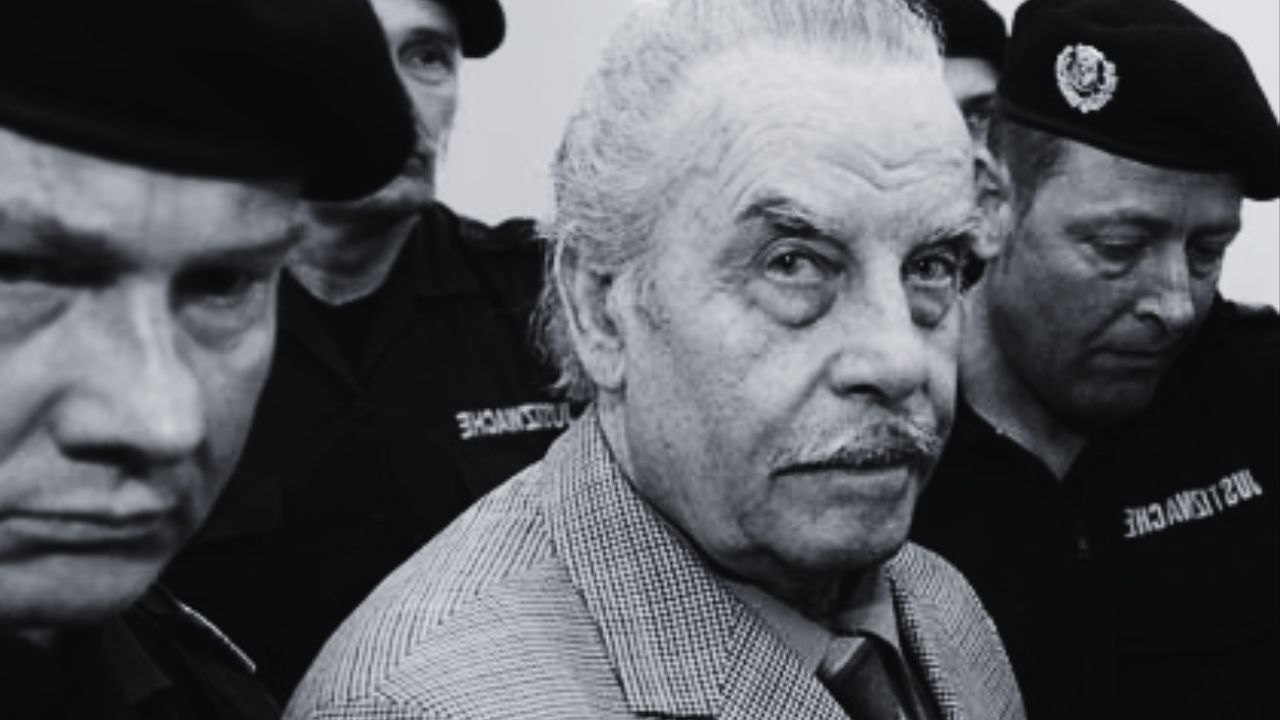
Let’s talk about a story that left the world shaken and shocked. Josef Fritzl, an Austrian criminal, committed one of the most harrowing crimes that captured massive media attention globally. The heinous acts of Fritzl, which included imprisoning his daughter Elisabeth in a hidden basement for 24 years, have become an enduring reminder of the depths of human depravity. But this grim tale isn’t just a record of horror; it sparked a public outcry and a reevaluation of our systems for preventing and identifying such crimes. Let’s dig into the details and see what this case teaches us about vigilance and change.
Early Life and Background
Born in 1935, Fritzl’s early life unfolded in post-war Austria—a place grappling with its own shadows of the past. Like many stories, his began with the influences around him, especially those stemming from his formative years. It’s crucial to understand the backdrop against which this story formed. Childhood experiences often plant the seeds for future behaviors. Could early traumas and harsh conditions have set the stage for Josef’s later actions? While there’s no clear answer, experts often highlight troubling early patterns as red flags.
Criminal History
Fritzl made his first foray into criminal territory in 1967 when he was convicted of raping a nurse at knifepoint, serving only 12 months of an 18-month sentence. Now, let’s pause and consider this: how did a person with this conviction go unchecked only to commit far greater atrocities later on? This early conviction was just a glimpse into a pattern of repeated criminal behavior that would escalate drastically. Besides the conviction for rape, he was a suspect in other sexual offenses. Yet, the system failed to prevent him from spiraling into a darker abyss.
The Imprisonment of Elisabeth Fritzl
Fast forward to 1984 when Elisabeth Fritzl found herself imprisoned in a concealed basement by her own father. For 24 years, Josef manipulated and controlled his daughter in unimaginable ways, fathering seven children with her. The captive years unfolded under appalling conditions, showing the depths of his manipulation and control. Imagine the impact of living without sunlight, cut off from the world, believing there was no escape. It’s a stark reminder of the need to watch for signs of manipulation and abuse, especially where isolation is involved.
Discovery and Arrest
The revelation of Elisabeth’s plight came in 2008 when her daughter Kerstin fell ill, prompting Fritzl to take her to a hospital. This opened the gateway to the secrets of the basement. The discovery led to a cascade of events, with authorities finally arresting Fritzl. One wonders, what took so long for a crack in his facade to appear? It was quite the unraveling, leading to his arrest on charges of rape, false imprisonment, incest, enslavement, and negligent homicide.
Trial and Conviction
In 2009, Fritzl’s trial unveiled the breadth of horror, with him pleading guilty to all charges. His confession was coupled with a psychiatric evaluation diagnosing him with severe personality disorders. A life sentence was handed down, as experts deemed him a lifelong danger. In many cases, such trials beg the question: Are there ways to identify such risks earlier?
Psychological Analysis of Fritzl
Professionals like Dr. Berthold Kastner noted Fritzl’s severe combined personality disorder. In his own words, Fritzl attributed his actions to an innate “evil streak.” Could he have had a chance for intervention earlier on? Mental health plays a crucial role in understanding such behaviors. Diagnoses like his are complex web explanations, not justifications, highlighting where early intervention could potentially divert a path of destruction.
Aftermath and Impact on the Victims
For Elisabeth and her children, the path to recovery was steep. Society’s response was swift, with lessons learned impacting law enforcement approaches toward missing persons. But how do you measure recovery from something so catastrophic? Support, understanding, and institutional change form the cornerstones of healing. In many cases, societal tools need tuning to better aid victims and prevent future tragedies.
Public and Media Reactions
The Fritzl case garnered colossal media coverage, turning Austria—and indeed the world—into captivated spectators. Discussions sparked around crime, justice, and punishment, often with heated debates about privacy and the role of media. Is there a line between informing the public and sensationalism? Coverage serves as a double-edged sword, with a responsibility to balance awareness while respecting those affected.
Conclusion
The lessons from the Josef Fritzl case are stark yet essential. It’s a rallying cry for more robust protective measures, early detection, and support systems for victims. The conversations it sparked continue to ripple in discussions about justice and prevention. For those navigating the complexities of such social issues, the story is a somber reminder of the human condition’s potential for both darkness and resilience. If you feel called to make a difference, whether through advocacy or direct support, don’t ignore it. Consider how you can contribute to ongoing conversations about reform and protection. Every effort counts. Interested in understanding societal impacts and changes? Explore further here.
Also Read
